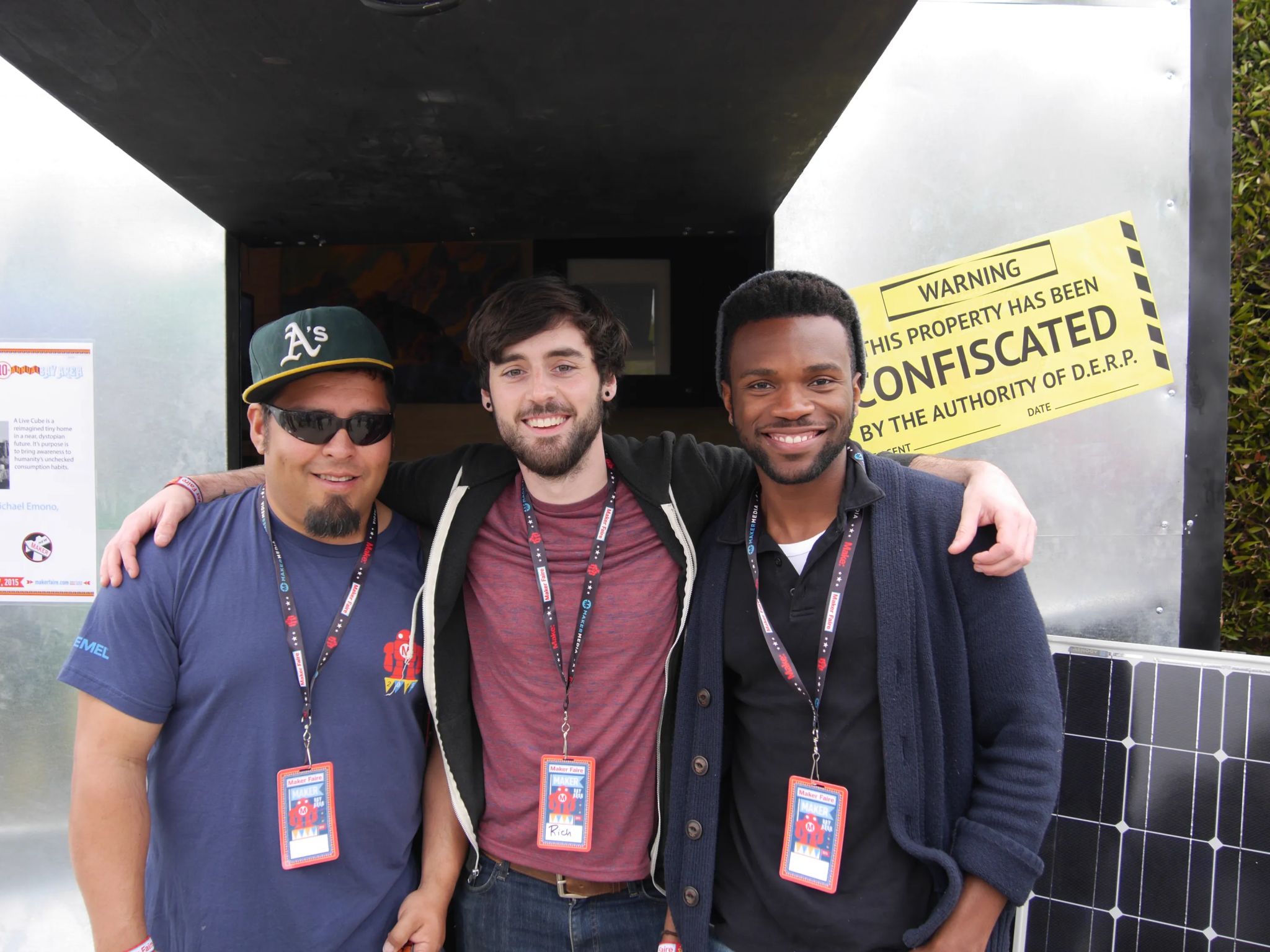
A decade later, and I can still feel the panic of that Mac Pro overheating.
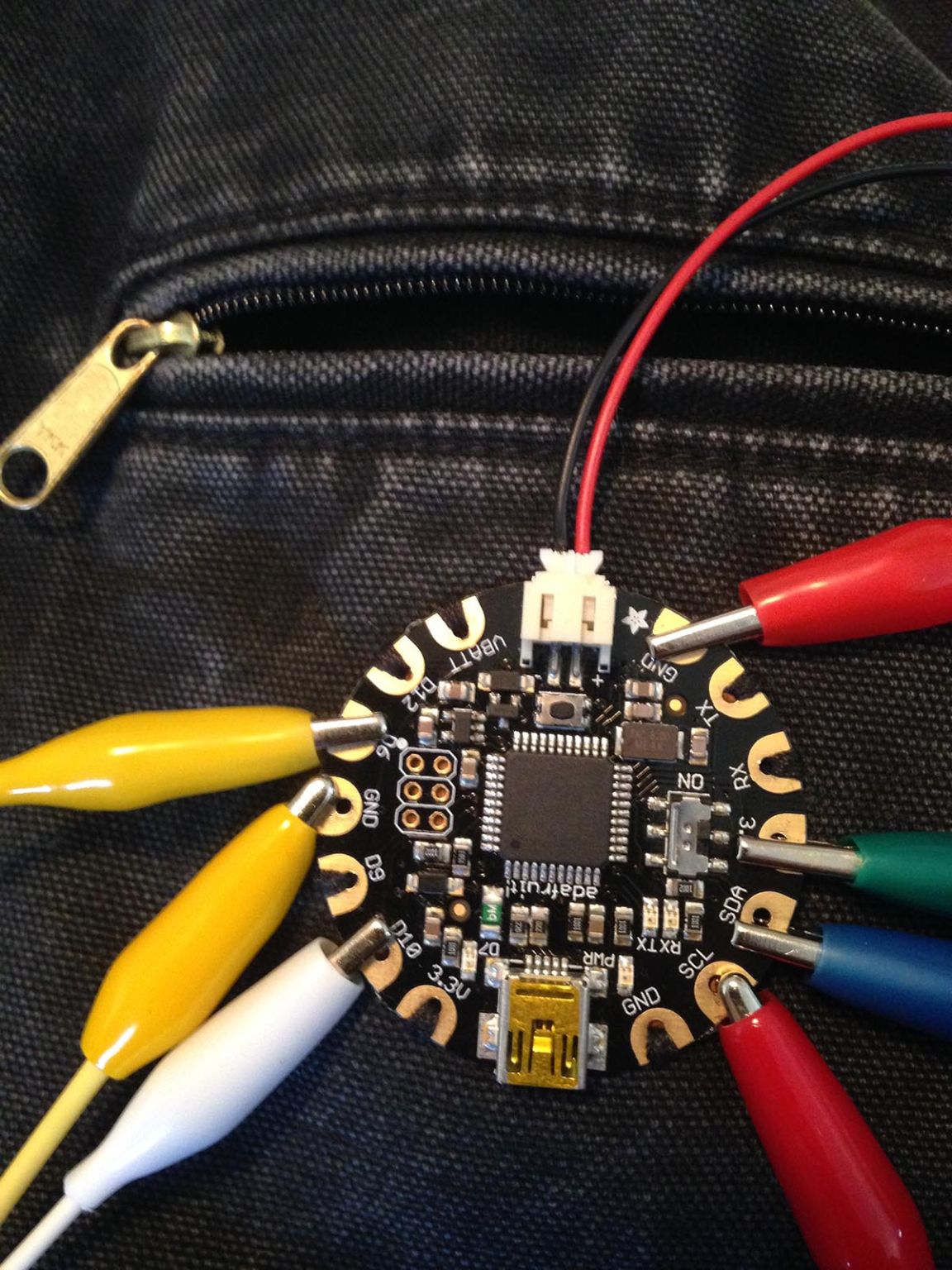
We were getting ready to take the exhibit to the Bay Area Maker Faire and getting nervous. We had a Mac Pro running inside of a wooden cabinet that seemed to have good ventilation. To be fair, it was running dozens of Arduino chips, and videos.
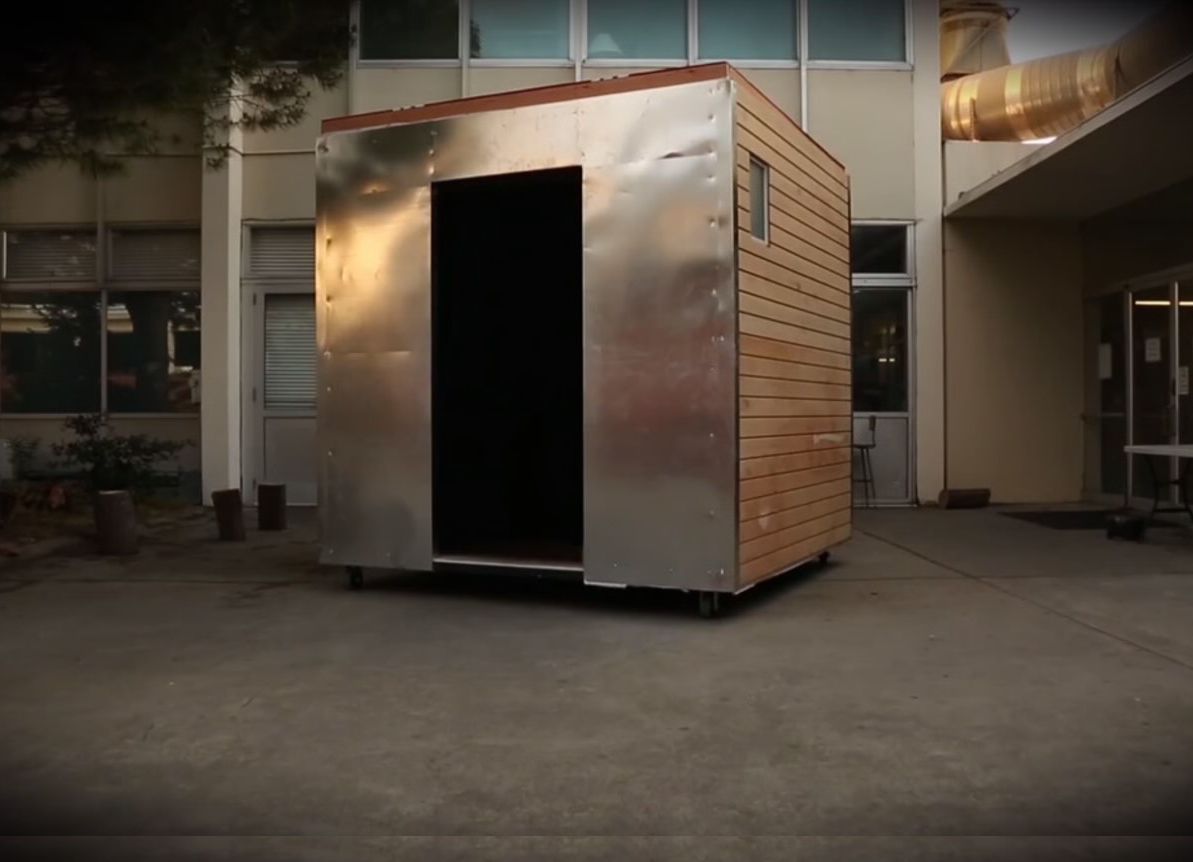
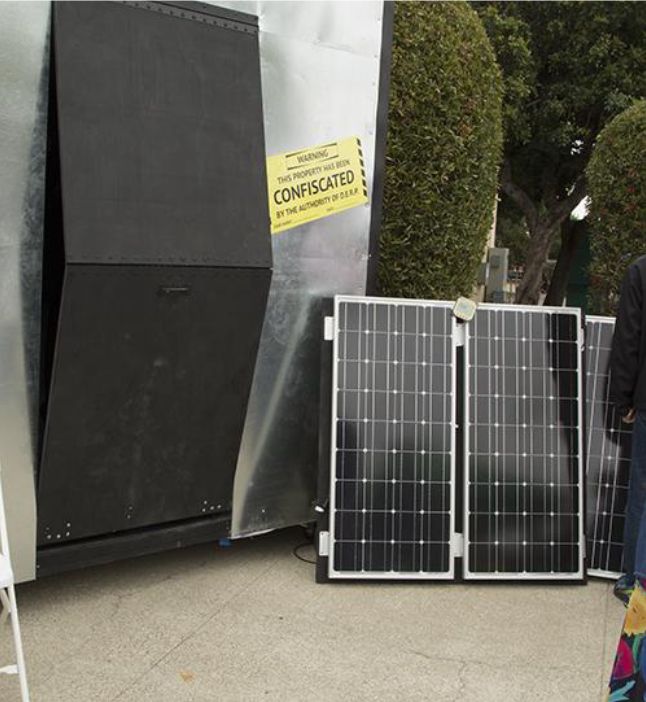
The Live Cube was my graduate thesis project. It was an interactive, tiny house experience that served as a literal storytelling vehicle for a future radically altered by climate change. We worked as a team of three to dream it up, prototype it, and bring it to life over the course of one year. Michael Emono, Jason Anaya
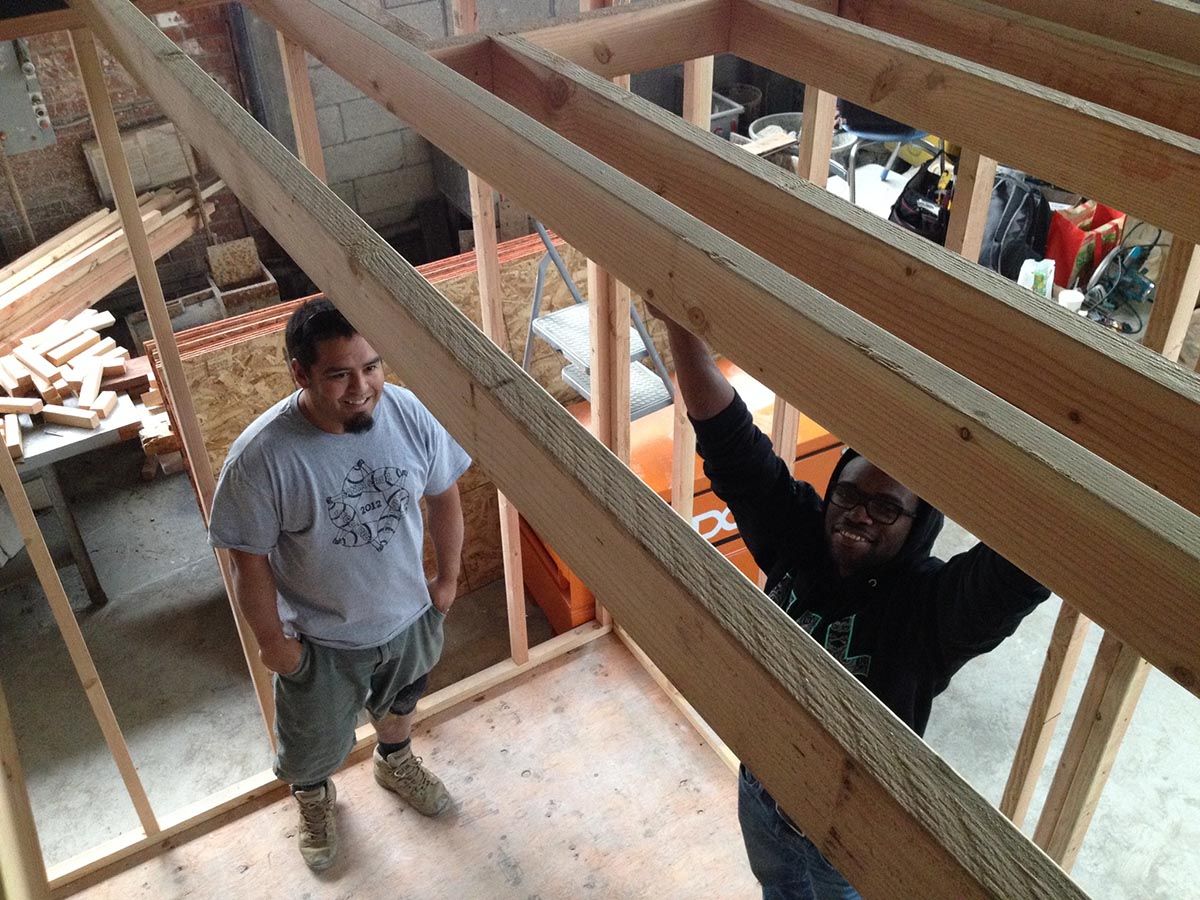
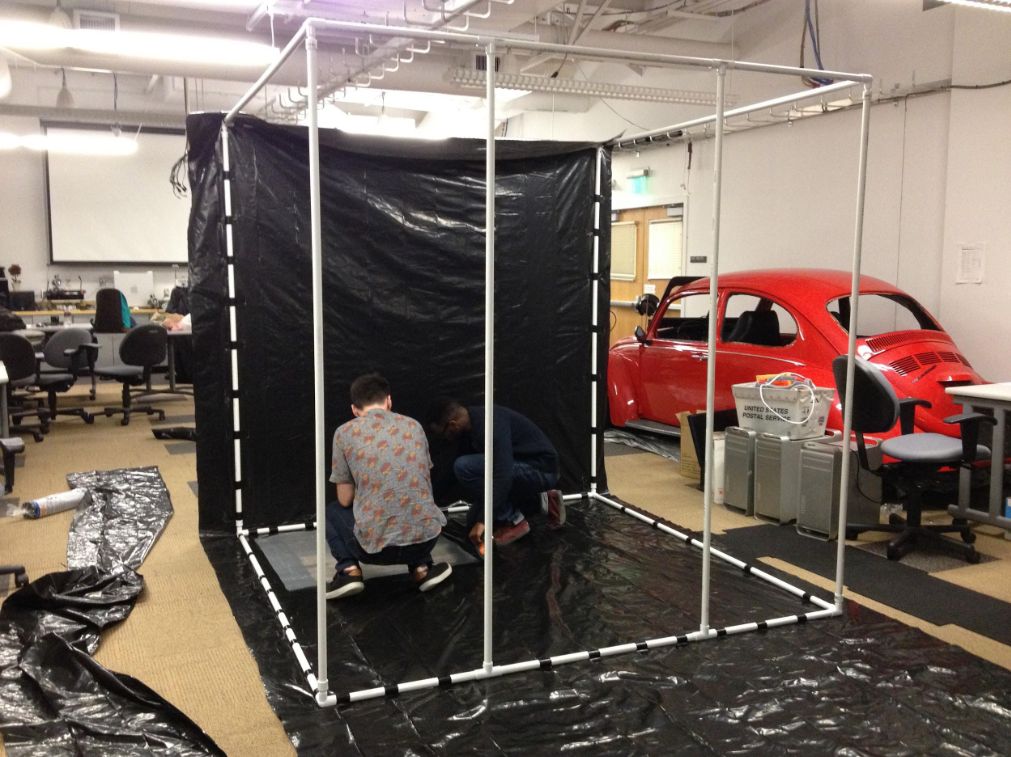
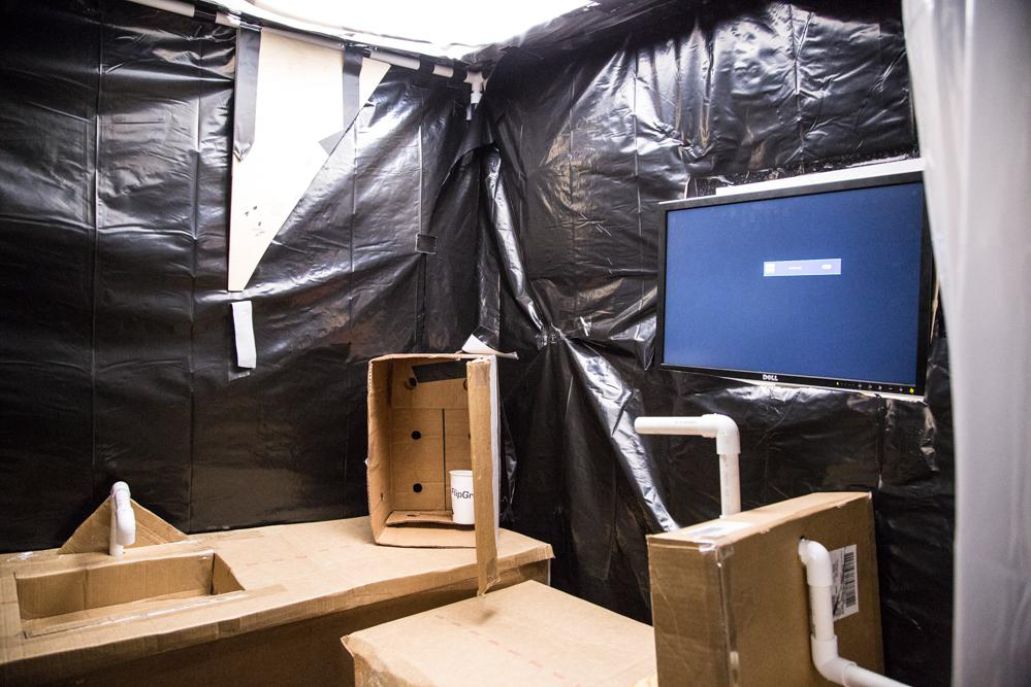
A physical exhibit comes with its own unique set of challenges. Unlike a digital interface you can’t just iterate on something so easily. We knew how important the testing and prototyping would be. We quickly moved into making a scale-accurate environment with PVC piping, plastic tarp, and cardboard.
We then began a robust cycle of observation, testing, and interviews with anyone we could find: our classmates, teachers, and the public. We looked at which objects people found to be most engaging, and tested them again.
We created user profiles and identified pain points early on. This invaluable data helped not just with the construction of the space but the story we were telling.
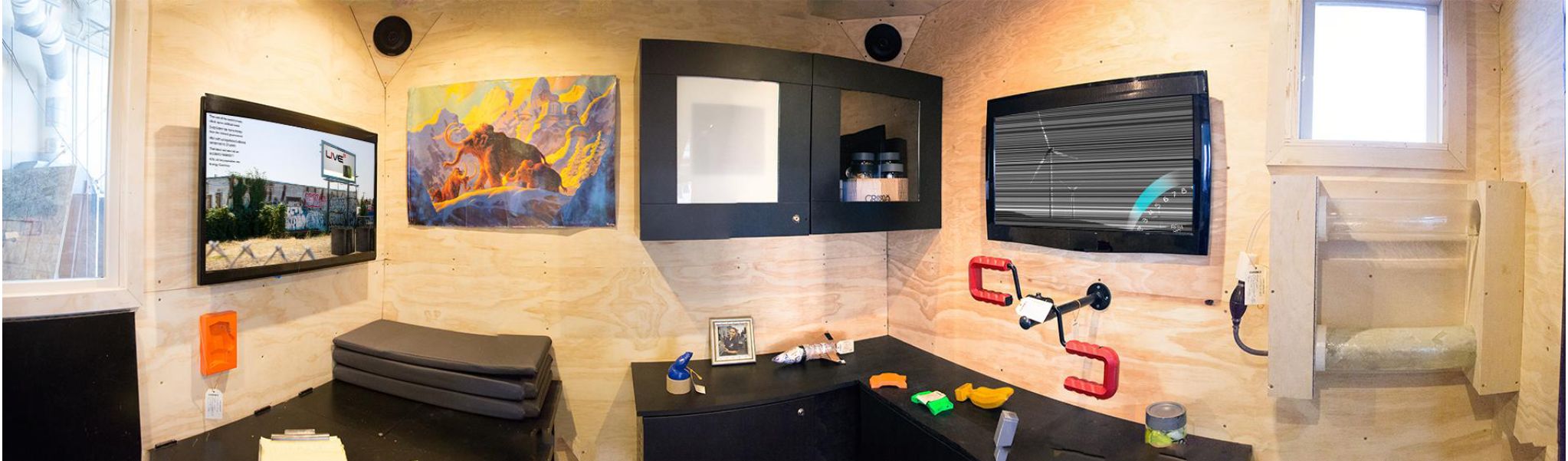
We build it with wood and steel. We laser cut, 3D printed and programmed nearly a dozen unique objects. Not to mention filmed and animated a multitude of videos for the storytelling.
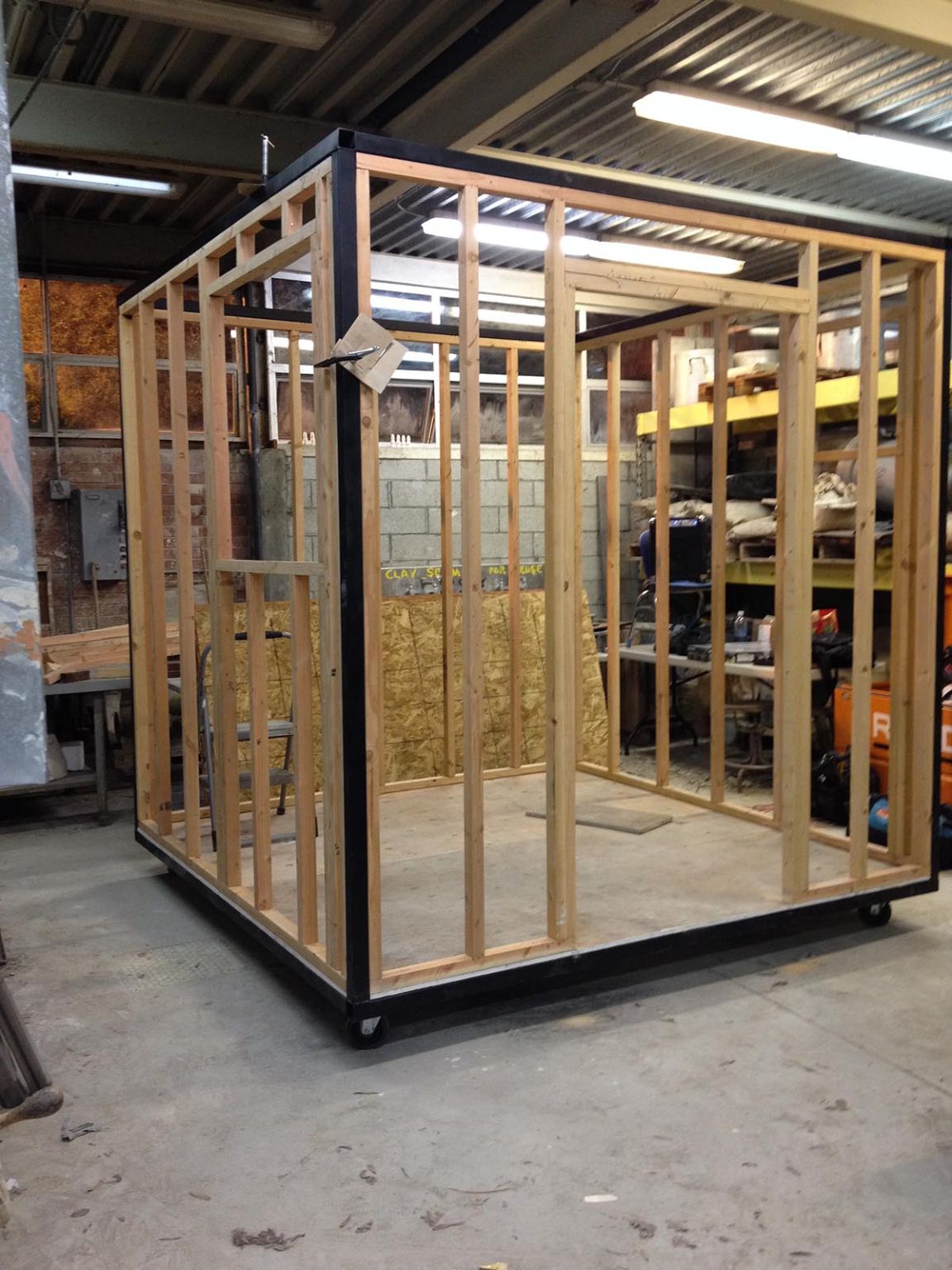
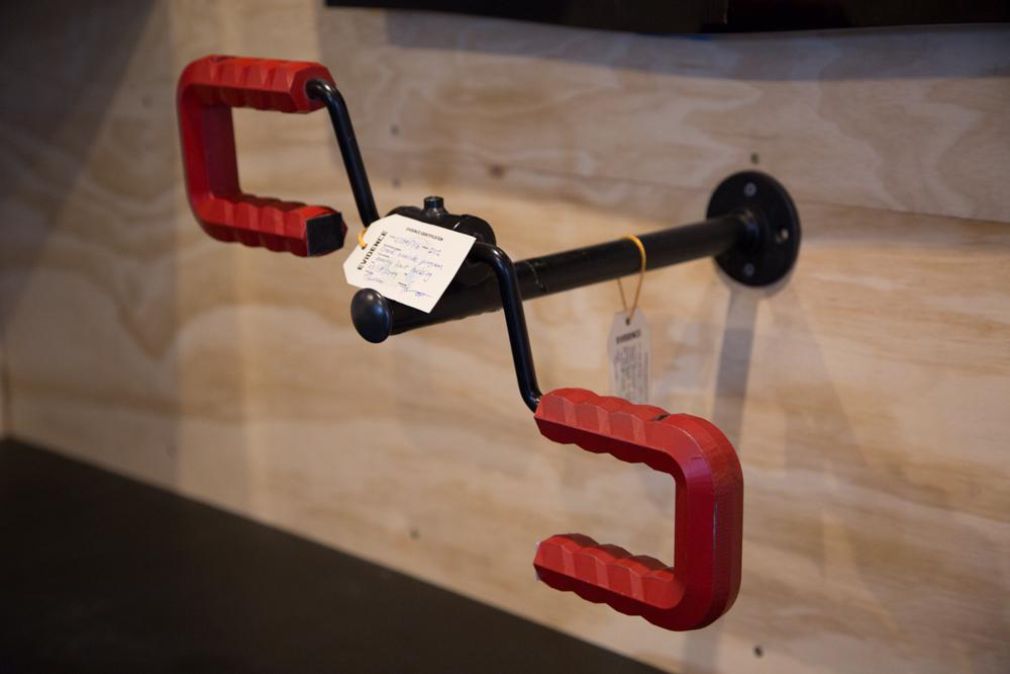
So what happened with the computer overheating? As it turns out some design problems you might not even encounter until something is shipped. The obvious solution was to add more ventilation and fans.
But we realized that a lot of the overheating came from the computer being constantly “on” and scanning for the chips we had embedded. At the very least we could program the chips to send a signal only when they were moved.
More importantly though we used this design constraint as an asset. We realized we could time-box the exhibit. We gave small groups of users about 4 minutes each before triggering an end-sequence that neatly tied into the story. We found that this kept people more engaged, while also giving us a few minutes to “reset” the experience each time. Thus the computer could cool down.
Looking back on it I think there’s some enduring UX lessons to that Mac Pro overheating: constraints are design prompts. And sometimes it doesn’t matter how well-researched or prototyped something is, you can’t simulate the friction of reality until users actually touch the work.
It doesn’t matter if the interface is physical or digital, good solutions emerge when you stop resisting the constraints and begin designing into them. We poured so much of ourselves into this project, and to this day it’s something I’m really proud of.
By Richard Rizzo